Pass the exam. Then actually belong.
The speaking exam tests whether you can talk, and so does your first day on campus. Aplora gets you speaking Spanish for study abroad with an AI tutor, so the oral exam and your first real conversation both feel like ones you've already had.
Start free, speak before you fly- 16 languages
- First conversation free
- No card to start
The problem
You can nail grammar on paper. But the speaking section makes your stomach drop, and even if you pass, you picture day one: the dorm corridor, the seminar, the group chat moving too fast, and you freeze. You don't only want to get in. You want to belong there.
Maria didn't want to survive the first week abroad. She wanted to start it as herself.
How Aplora gets you ready
Practice the speaking exam, out loud.
DELE-style prompts: describe, compare, give your opinion, handle the follow-up question. Aplora plays the examiner so the real one holds no surprises.
Rehearse campus life before you land.
Introduce yourself, ask a professor a question, make a friend at lunch, sort out your accommodation. The conversations of week one, practised in week zero.
Speak without the fear.
Talk to an AI tutor that listens, replies, and corrects, privately. Fumble freely, as many times as you need, until "Hola, soy nueva aquí" comes out steady.
From exam to day one
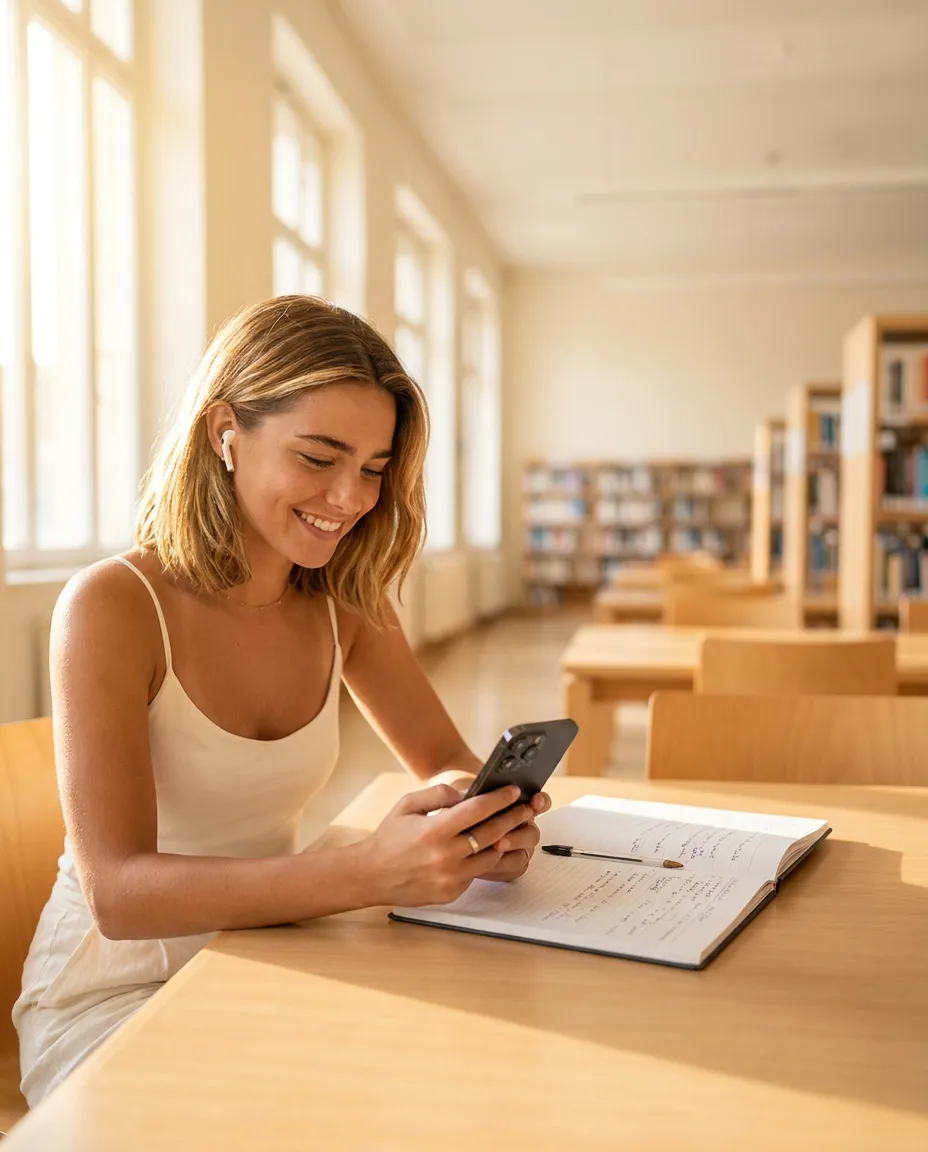
- The exam answer the speaking prompt without the panic.
- Day one "Hola, soy nueva aquí," and mean it.
- Week one ask the question in the seminar, join the conversation at lunch.
Speaking is the one section you can't memorize, you have to do it. So do it, a hundred times, before it counts.
Why the confidence holds
Most Spanish for study abroad advice stops at "pick a program and use an app." Aplora is the part that actually trains your voice: you won't suddenly find it in the exam room or the lecture hall, you'll arrive with the one you've already practiced. Speaking becomes familiar, so abroad it feels like coming back to something, not starting cold.
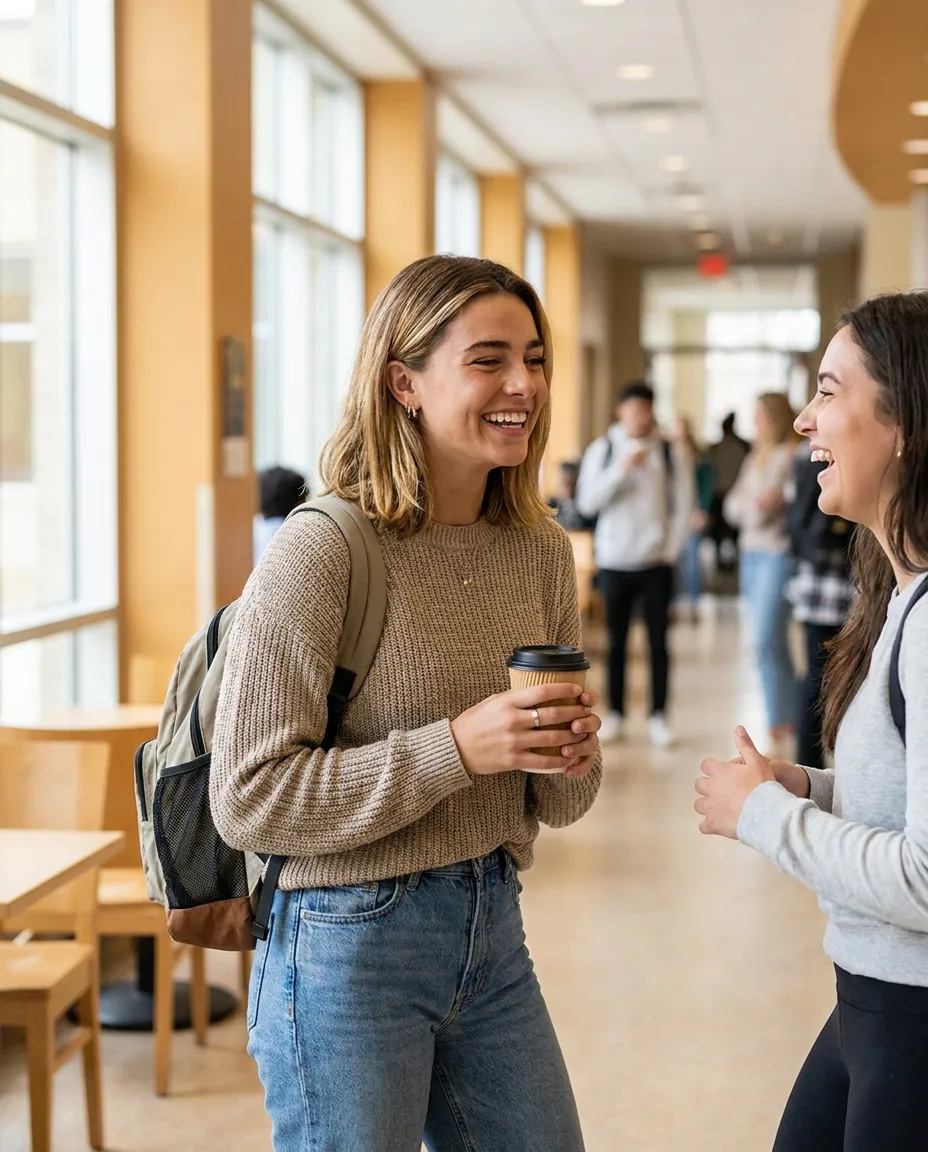
“I passed the exam, but the real win was walking into my first seminar and just talking.”
Free to start, and we mean it
No card to unlock a "free trial." No annual plan you have to agree to before you've said a word. Try it, and only if you love it, pay as you go or subscribe. We're founders, and we hate the sales tricks too, so we don't use them.
- No credit card to start
- No auto-enrolled annual plan
- Pay as you go or subscribe, your call
Be ready before day one.
Start now, speak on arrival.
Start freeQuick questions
How do I learn Spanish for study abroad?
Start with the two things that get tested out loud: the oral exam and real conversation. Aplora has you practice DELE-style prompts and rehearse campus situations, introducing yourself, asking a professor a question, sorting out your accommodation, so Spanish for study abroad means speaking, not one more vocabulary list.
Does it help with my speaking exam?
Yes, Aplora targets the speaking and confidence most students fear. It plays the examiner through describe, compare, and give-your-opinion prompts, then asks the follow-up, and it pairs well with your reading and writing prep.
Can I become conversationally fluent in a few months?
Not fully fluent, that takes longer. But a few months of daily speaking reps is enough to walk into the oral exam and your first week ready to talk, which is the part that actually counts on day one.
Learning Spanish for study abroad as a total beginner, too late?
No. Aplora starts at "hello" and builds toward exam- and campus-ready conversation.
What campus conversations can I rehearse before I go?
The week-one ones: introducing yourself in the dorm, asking a question in a seminar, making a friend at lunch, settling in with a host family. You practice them before you land, so day one isn't the first time you try.
Can I practice for free, online, before I fly?
Yes. Aplora runs in your browser, so you can practice from anywhere, and you start free with no card required.
How long before my exam should I start?
The earlier the better, speaking improves with reps, not cramming.